Lotus has proven that a non-formal education project can deeply transform both people and the places it reaches. From the local level to the international stage, yoga and poetry have become a shared language to breathe, tell one’s story and weave lasting connections.
Strengthening local roots
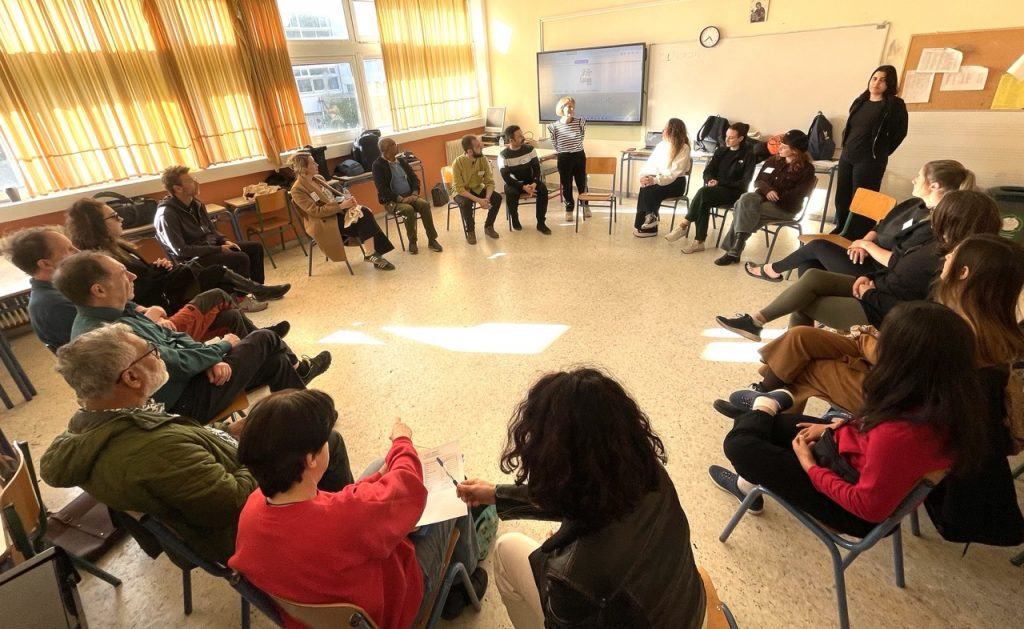
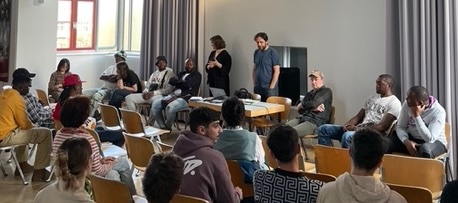
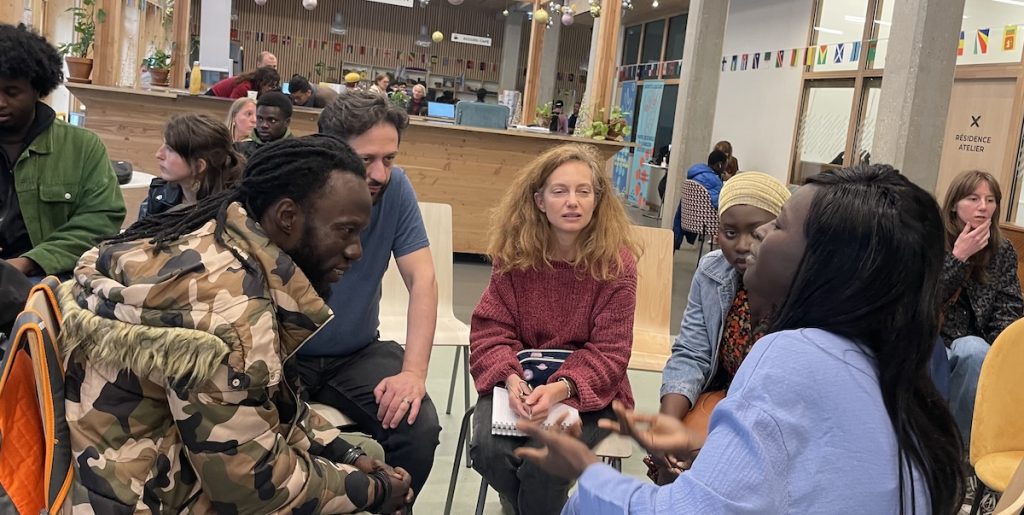
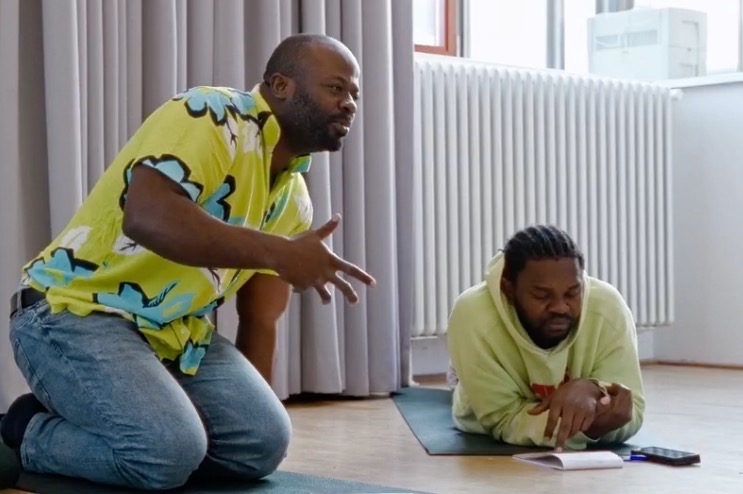
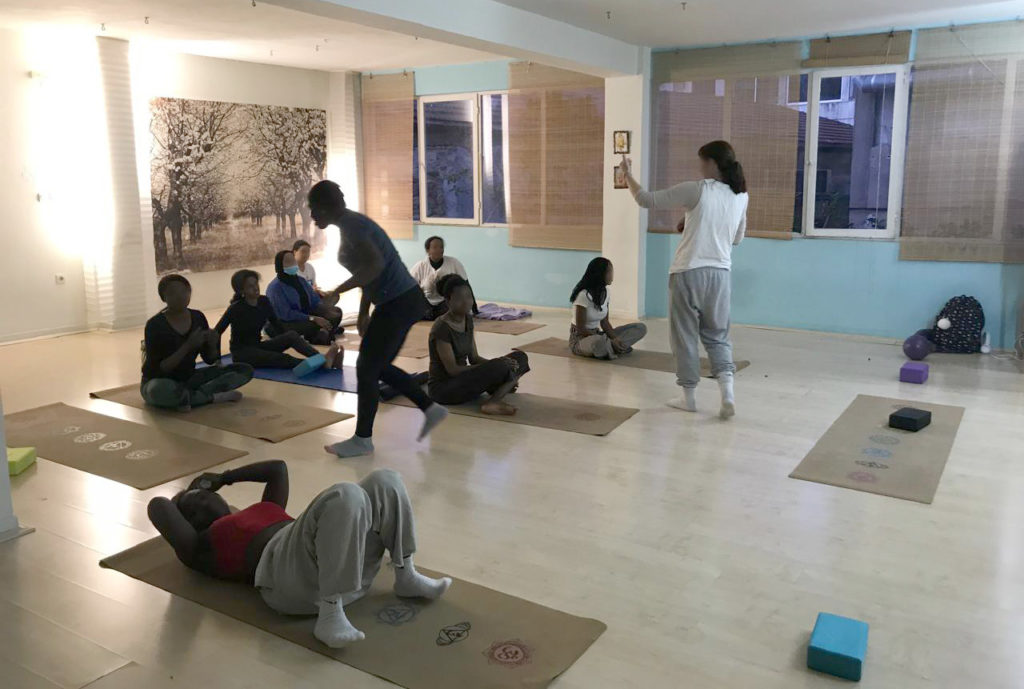
In Athens, Paris and Berlin, Lotus was first and foremost a field-based adventure, built with host organisations already committed to working with refugees. In Athens, the partnership with Home Project made it possible to create a safe space for young women (13–18), where self-confidence, self-esteem and sisterhood could grow, to the point that some participants became “ambassadors” of the method in turn. In Paris, thanks to SINGA and the Maison des Réfugiés, the workshops brought together local residents and exiled people in creative social spaces, where intergenerational encounters nurtured mutual curiosity and connection. In Berlin, work with IBZ and Sur Mesure, with a mostly male group (25–30), resulted in a collective film shoot and the awarding of certificates, valuing commitment, creativity and a sense of pride and belonging. In all three cities, the ripple effect was tangible: some beneficiaries took ownership of the approach and began to pass it on, confirming its transferability.
Stronger regional ecosystems
Beyond the directly involved groups, Lotus helped to structure regional ecosystems in Île-de-France, Attica and Brandenburg. The workshops and trainings triggered new collaborations between artists, social workers, teachers and integration structures, opening the door to long-term cooperation. In Île-de-France, for example, joint work with the Maison des Réfugiés and several local associations inspired new bridges between the education sector, social services and cultural actors, strengthening continuity of support for young refugees.
European and international recognition
The project evaluation also shows a strong impact at European level. The Lotus method was showcased in key spaces: an international conference on theatre and inclusive education in Athens (with participants from over 21 countries), the first Biblio/Poetry conference in Budapest (26 countries), and the R-Lab Festival in Paris, where artists, educators and yoga teachers were able to explore and test the approach – as illustrated by the enthusiastic feedback from a practitioner who said that “everything is now clear to apply the method with my groups”. These opportunities consolidated recognition of Lotus as an innovative non-formal education resource aligned with Erasmus+ priorities on inclusion, diversity and active citizenship. Beyond Europe, the project had unexpected resonance: Lotus workshops were offered to support refugee athletes and other participants during the Paris 2024 Olympic Games, in partnership with UNHCR, Singa and the Maison des Réfugiés, and an online presentation at the Lapidus Summer Festival in the UK reached a network of writers and writing-for-wellbeing practitioners in at least eleven countries.
An original response to young people’s needs
Impact analysis shows that Lotus chose a complementary path to most programmes focused on language learning or employability. Here, the priority is to offer a space for inclusion, healing and creativity, based on a unique combination of yoga and poetry, where previous research had only identified separate projects centred on one or the other. The triptych “breathe, express, connect” sums up this trauma-sensitive and resilience-oriented pedagogy. For young refugees, the workshops address concrete needs: trauma, uprooting, and a lack of safe spaces to tell their stories. In Athens, young women found a space of trust fostering empowerment and transmission; in Paris, intergenerational work supported socialisation and creative bonds; in Berlin, participants were able to showcase their creativity through certificates and active involvement in the film. Everywhere, yoga enabled full participation despite language barriers, while poetic writing offered a frame to articulate emotions and personal narratives.
Empowered practitioners and stronger cooperation
The evaluation also highlights the impact on practitioners – educators, artists, mediators, social workers – who benefited from training and concrete resources. The manual, video tutorials, documentary film and multilingual website form a common foundation that is inexpensive to deploy (mats, notebooks, pens, music) and easy to adapt to diverse European contexts. Practitioners strengthened their skills in creative facilitation, emotional literacy and trauma-sensitive pedagogy, learning to mobilise body, emotions and storytelling to support young people’s resilience. Transnational cooperation between France, Germany and Greece played a decisive role: the diversity of contexts forced the method to remain flexible, nourished a process of interdisciplinary co-creation and enabled less experienced organisations to gain expertise and confidence.
Successes, challenges and lessons learned
Qualitative evaluation highlights clear successes: strong holistic engagement from young participants, who responded very positively to the combination of movement and writing; an accessible set-up relying on minimal resources; solid supporting materials ensuring coherence between countries; and safe environments where participants said they felt “seen”, “soothed” and “taken into account”. It also points to recurring challenges: precarious situations, especially for unaccompanied minors or asylum seekers, made regular attendance difficult; language barriers required mediation and creative detours; and emotional intensity sometimes revealed deep trauma that was hard to contain in the absence of consistent mental health partners. From this, several lessons emerge: the need to keep the methodological framework flexible; the importance of time and consistency to build trust; the awareness that yoga and poetry support resilience but cannot replace legal, social or therapeutic services; and the added value of strong local partnerships and transnational cooperation. Ultimately, the evaluation shows that Lotus is more than a one-off project: it opens a sustainable path for renewing educational and creative practices around inclusion and the well-being of young refugees, in Europe and beyond.